✦   ॐ നമഃ ശിവായ   ✦   KERALA TEMPLE GUIDE   ✦   ക്ഷേത്രം · ആചാരം · ജ്ഞാനം · ഭക്തി   ✦
✦ ॐ ✦

Kerala Temple Guide — കേരള ക്ഷേത്ര ഗൈഡ്

ആചാരം · ഐതിഹ്യം · വഴിപാട് · തീർത്ഥാടനം

keralatempleguide.com ഒരു സ്ഥാപനത്തിന്റെയോ ട്രസ്റ്റിന്റെയോ പദ്ധതിയല്ല — കേരളത്തിലെ ക്ഷേത്ര പാരമ്പര്യത്തോടുള്ള ഒരു വ്യക്തിയുടെ ആത്മാർത്ഥമായ അന്വേഷണത്തിൽ നിന്ന് ജനിച്ച ഇടമാണിത്. സാധാരണഗതിയിൽ ഇന്റർനെറ്റിൽ ലഭ്യമാകുന്ന ക്ഷേത്ര വിവരങ്ങൾ ലൊക്കേഷനിലും ദർശനസമയത്തിലും ഒതുങ്ങിനിൽക്കുമ്പോൾ, ഞങ്ങൾ ഒരു പടി കൂടി മുന്നോട്ട് പോകാൻ ശ്രമിക്കുന്നു.

Most temple information online stops at location and timings. We try to go one step further and ask: why does this ritual exist, what does this offering actually mean, what human story gave birth to this legend? We don't always have a complete answer. But we believe the asking itself is worth doing honestly — and that a pilgrim who understands a little more of the meaning behind what they're doing carries something different away from the temple than one who simply follows a procedure.

ക്ഷേത്രങ്ങളിലെ ഓരോ ആചാരവും വഴിപാടും ഏത് പാരമ്പര്യത്തിൽ നിന്നാണ് വന്നത്, ഏത് സന്ദർഭത്തിലാണ് അത് അർത്ഥവത്താകുന്നത് — ഇത്തരം ചോദ്യങ്ങൾക്ക് ലളിതമായതും എന്നാൽ സത്യസന്ധവുമായ ഉത്തരങ്ങൾ നൽകാനാണ് ഞങ്ങൾ ശ്രമിക്കുന്നത്. ഉറപ്പില്ലാത്ത കാര്യങ്ങൾ ഉറപ്പുള്ളതു പോലെ അവതരിപ്പിക്കാതിരിക്കാൻ ഞങ്ങൾ ശ്രദ്ധിക്കുന്നു.

Whether you're looking for guidance on Kerala temple dress code, the tradition behind pradakshina (circumambulation), the story behind a specific deity, or the dates of a Kerala temple festival — we hope this becomes a companion you trust, not because we claim to know everything, but because we try hard to get it right and say so plainly when we're uncertain.

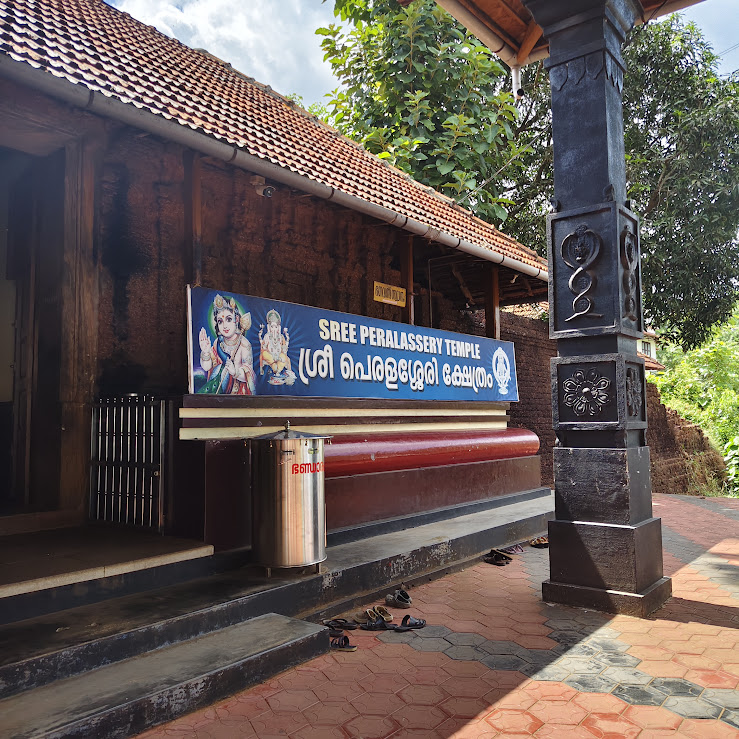
പെരളശ്ശേരി ക്ഷേത്രം, കണ്ണൂർ — Peralassery temple, Kannur

പെരളശ്ശേരി ക്ഷേത്രം, കണ്ണൂർ — Peralassery temple, Kannur

Many of Kerala's temples maintain a kavu — a small sacred grove left largely undisturbed, often for generations, out of reverence for the deity believed to reside there. Botanists who have studied these groves have found some of them unusually rich in native plant life compared to the cleared land around them — a quiet, unintended form of conservation that grew out of devotion rather than policy.

കേരളത്തിലെ കാവുകൾ ഭക്തിയിൽ നിന്ന് ഉരുത്തിരിഞ്ഞ ഒരു പ്രകൃതി സംരക്ഷണ പാരമ്പര്യമാണ്.

"A temple visit is not just a trip — it can be a quiet conversation between who you are and who you're trying to become." അർഥം അറിഞ്ഞ് ഒരോ ചുവടും വയ്ക്കുകയാണ് — യഥാർത്ഥ ഭക്തി.
✦ ॐ ✦

1. Kerala Temple Architecture — Built to Be Felt, Not Just Seen

ക്ഷേത്ര രൂപകല്പനയിലെ ചിന്തകൾ

Traditional texts on Kerala temple design speak of the temple as a body — "Prasadam Purusham Matva…" — where each structural part corresponds to a part of a living form. You don't need to know the Sanskrit to feel it: walk from the outer gate to the inner sanctum of any old Kerala temple, and notice how the space itself seems to narrow your attention, step by step, toward stillness.

🧠

Garbhagriha — The Sanctum

ഗർഭഗൃഹം

The innermost shrine is deliberately small, dim and enclosed — a design choice, not an accident. Tradition treats it as the seat of the temple's deepest presence, and in practice, most people do notice their attention sharpening and quieting as they step inside. ഏറ്റവും ഉള്ളിലെ ഈ ഭാഗം ഭക്തന്റെ മനസ്സിനെ ശാന്തമാക്കാൻ സഹായിക്കുന്നു എന്നാണ് അനുഭവം.

Read More →
🪐

Dhwajastambha — The Flag-Post

ധ്വജസ്തംഭം

The tall flag-post (kodimaram) standing before the sanctum marks the temple's presence long before you reach the door — the first thing a devotee's eyes find on approach, and a quiet cue that the ordinary world is being left behind. ക്ഷേത്രമുറ്റത്ത് കടക്കുമ്പോൾ അനുഭവപ്പെടുന്ന മാറ്റത്തിന്റെ ആദ്യ അടയാളമാണിത്.

Read More →
🏛️

Temple Walls & Pradakshina

ക്ഷേത്ര മതിലുകൾ

The enclosure wall sets the sacred space apart from the everyday world outside it. Within, the circumambulation path (pradakshina) is walked clockwise, in the direction of the sun — an old, simple discipline that turns walking itself into a form of attention.

Read More →
🔥

Panchaloha Idols & Temple Air

പഞ്ചലോഹ വിഗ്രഹം

Idols are traditionally cast from panchaloha, an alloy of five metals prepared in specific ratios. Combined with daily ghee lamps, camphor and sandalwood incense, the sanctum has a distinct, layered fragrance that many describe as instantly calming — a sensory signature as much a part of the experience as anything visual.

Read More →
🌿

Sacred Groves (Kavu)

കാവുകൾ

Many Kerala temples keep a sarpa kavu — a serpent grove — left deliberately wild out of respect for the deity believed to dwell there. Over generations, that restraint has quietly protected some genuinely old trees, birds and plant life that development elsewhere in the state has long since cleared away.

Read More →
🎵

Sopanam & Temple Music

സോപാനസംഗീതം

Sopanam, Kerala's classical temple music tradition, is sung close to the sanctum steps rather than performed for an audience. The chenda, maddalam and ilathalam carry across the temple courtyard in a way the curved Kerala roofline seems built to hold — sound as much a part of worship here as sight.

Read More →
✦ ॐ ✦

2. Kerala Temple Offerings (Vazhipadu) — What They Mean

വഴിപാടുകൾ — അർത്ഥവും പാരമ്പര്യവും

In Kerala's temple tradition, an offering (vazhipadu) is rarely just a transaction. Each one carries its own story and its own quiet logic — worth knowing before you make it, so the act means something to you and not just to the priest taking your name for the archana list.

Offering / വഴിപാട് Deity / Occasion What It Means
നെയ്യ് വിളക്ക് / Neyyvilakku
(Ghee Lamp)
All deities; Devi temples Light stands for awareness itself. Lighting a lamp is a way of asking the divine into whatever darkness — grief, confusion, fear — a person is carrying that day. Simple, and for many people, genuinely steadying to do.
അഭിഷേകം / Abhishekam
(Sacred Bathing)
Shiva, Vishnu, Devi Pouring milk, water, honey or coconut water over the deity is understood as an act of surrender — letting go of the sense of a separate, defended self, even briefly. Different substances are used for different deities and occasions, each with its own local meaning.
ചന്ദനം ചാർത്തൽ / Chandanam
(Sandalwood Paste)
Vishnu, Krishna, Shiva Sandalwood paste is associated with coolness and calm in Kerala's devotional vocabulary. Applying it is traditionally described as tempering the more intense energy of certain deities — making that presence easier to approach.
തുലാഭാരം / Tulabharam
(Weight Offering)
Guruvayurappan, Vishnu The devotee is weighed against grain, jaggery, fruit or flowers of equal value — a vow made physical. It's a striking thing to witness: someone literally placing themselves on a scale as an act of surrender.
വെടിവഴിപാട് / Vedivazhipadu
(Firecracker Offering)
Subramanya, Bhagavati Loud, sudden sound is traditionally believed to clear negative or stagnant energy from a space. Whatever the underlying mechanism, the sharp jolt of a firecracker offering does have an immediate, attention-resetting effect on anyone standing nearby.
പായസ നിവേദ്യം / Payasam
(Sweet Offering)
All deities Rice, jaggery and ghee, slow-cooked together, are offered back to the deity as the finest thing the household has to give — an old, simple gesture of gratitude before it's shared as prasad among everyone present.
അർച്ചന / Archana
(Name Recitation)
All deities Reciting 108 or 1008 names of a deity, each with a flower offered in turn, is one of the oldest and most widely practised forms of personal worship in Kerala temples — simple to request, and meaningful to the person whose name is called.
ധാരയും അഭിഷേകവും / Dhara
(Continuous Pouring)
Shiva (Ekadasha Rudra) An unbroken stream of milk, water or oil poured over the lingam represents grace that doesn't run out — continuous, not conditional. It's one of the more visually striking rituals to witness in person.

The same offering can carry a different weight depending on the temple and the specific character (bhavam) of the deity there — gentle, fierce, playful, maternal. If you're unsure which offering suits a particular temple or occasion, it's always worth asking the priest or a longtime devotee rather than guessing. Most people are glad to explain.

→ Read our complete guide to Kerala Temple Offerings (വഴിപാടുകൾ)

✦ ॐ ✦

3. Kerala Temple Legends (Sthala Puranas) — The Stories Behind the Stone

ഐതിഹ്യങ്ങൾ

Every old Kerala temple carries a sthala purana — an origin story explaining why the deity is there, how the site became sacred, and how it should be approached. These stories aren't just decoration around the ritual. They're often the reason the ritual takes the shape it does. കഥ അറിഞ്ഞാൽ ദർശനത്തിന്റെ അർത്ഥം മാറും.

Tradition holds that the idol at Guruvayur was once worshipped in Dwarka, Krishna's own kingdom, and was rescued as the city was submerged after Krishna's departure — carried to Kerala's shores by Brihaspati (Guru) and Vayu (the wind), who together gave the temple its name: Guru + Vayu = Guruvayur.

It's a story that matters because of what it implies: that this particular form of the divine chose this land, rather than being placed here by human hands. The famous elephant rituals at Guruvayur connect back to a related legend — Gajendra Moksha, the liberation of an elephant by Vishnu — which is why elephants have held a special place at this temple ever since.

  • Udayasthamana Puja: A continuous sequence of worship from sunrise to sunset, performed only at Guruvayur — a genuinely demanding ritual undertaking for the temple staff who carry it out.
  • Tulabharam with Bananas: Banana is considered Krishna's favoured offering here, connected to a separate legend from Ambalapuzha.
  • Swayambhu Tradition: The idol is believed to be self-manifested rather than carved — a claim that shapes how devotees relate to it.
Visit our Legends page for the fuller Guruvayur story and the rituals connected to it.

Ayyappa — also called Sastha or Manikanta — is described in tradition as the child of Shiva and Mohini, Vishnu's female form, a lineage that in itself bridges two of Hinduism's major devotional streams. His story at Sabarimala centres on his defeat of the demoness Mahishi and his choice to remain in the Sahyadri forests rather than return to a worldly life.

The 41-day preparation before the pilgrimage — vegetarian food, black or blue dress, a rudraksha mala, no luxuries, daily prayer — is not treated as a formality. Pilgrims who have done it describe those 41 days as changing something in how they see the rest of their year, quite apart from the physical climb itself.

  • The 18 Steps: Climbed only after the Vratham is complete, each step traditionally carrying its own symbolic weight on the way to the sanctum.
  • Irumudi Kettu: A two-part bundle carried on the head — one part practical provisions, one part a coconut filled with ghee — that pilgrims describe as making the whole journey feel like an act of offering rather than travel.
  • Makaravilakku: A celestial light seen from the temple on a specific January night each year, coinciding with the lighting of a flame on a nearby hill — one of the most anticipated moments in Kerala's devotional calendar.

The question of who is permitted to make this pilgrimage has been the subject of real legal and social debate in India, including before the Supreme Court. We don't take a position on that debate here; we simply note that it exists and continues to matter to many people.

Read more in our Beliefs section.

The Padmanabhaswamy Temple in Thiruvananthapuram holds Vishnu in his reclining Ananthashayana form — resting on the serpent Adi Shesha, with Brahma emerging from a lotus at his navel. The idol is so large that devotees see it through three separate doors, each revealing a different part of the form: the face, the navel, the feet. No single vantage point shows the whole thing at once, which many find quietly moving in itself.

  • The Sealed Vault: One chamber of the temple's storied vaults remains closed by tradition, and has been the subject of considerable public and legal attention in India over the past decade.
  • Murajapam: A 56-day recitation ritual drawing scholars from across India — one of the longer continuous devotional undertakings in Hindu practice.
  • Dress Code: Men traditionally enter without an upper garment, a custom followed at several of Kerala's oldest and most powerful temples.

Thrissur Pooram brings the deities of ten surrounding temples together at Thekkinkadu Maidan, in front of the Vadakkumnathan Shiva temple — each arriving with its own elephants, parasols and percussion ensemble. Sakthan Thampuran designed the festival in 1798 specifically to bring together temple communities that had previously kept largely to themselves.

The kudamattam — a friendly exchange of increasingly elaborate parasols between two rival temple groups — and the pre-dawn vedikettu fireworks remain its best-known moments. Both are genuinely worth planning a trip around.

  • Panchari Melam: Over 100 chenda drummers building a five-stage percussion piece from a quiet opening to a full crescendo — regarded as one of Kerala's most demanding percussion traditions.
  • Elephants & Protocol: The positioning of each elephant and parasol follows conventions passed down for generations among the participating temples.
  • Thrissur Pooram has been proposed for UNESCO's Intangible Cultural Heritage list, reflecting its recognised cultural significance.
കൊട്ടിയൂർ വൈശാഖ മഹോത്സവം

For 27 days each year, deep in a Kannur forest with no permanent temple building, Shiva is worshipped through a self-manifested lingam beside the Bavali river. When the festival ends, the site simply returns to forest until the following year — one of the more unusual and, for many, genuinely moving pilgrimage traditions still practised anywhere in India.

Local tradition connects the site to Sati's self-immolation at Daksha's yagna, marking Kottiyur as one of the places associated with that story in Hindu mythology.

  • No Permanent Structure: Worship under open sky, by design, not by neglect.
  • The River Crossing: Pilgrims wade across the Bavali on foot as part of the approach to the site.
See our Beliefs page, and our full Kottiyur article, for more.
"In Kerala, a temple is rarely just a building you visit. Often, it's a story you quietly become part of." ഓരോ ദർശനവും ഒരു യാത്ര. ഓരോ ആചാരവും ഒരു ശ്ലോകം.
✦ ॐ ✦

4. The Ritual Arts of Kerala — Performance as Prayer

ക്ഷേത്ര കലകൾ

Theyyam, Mudiyettu, Padayani, Koodiyattam, Sopanam — Kerala's temple art forms are among the oldest living ritual performance traditions anywhere in the world, and each is tied to a specific temple, deity and community. Watching one isn't entertainment in the usual sense — it's closer to witnessing someone else's darshan.

Theyyam — When a Performer Becomes the Deity

തെയ്യം

Theyyam is North Kerala's most striking ritual art — several hundred distinct forms performed at kavu shrines across Malabar. The performer, after elaborate face-painting and an enormous ceremonial costume, is understood by the community not to be representing the deity but to genuinely become it for the duration of the performance — speaking, blessing and answering questions from devotees.

Some theyyams commemorate real historical figures — often people who were wronged in life — elevated by community memory into a form worshipped and remembered every year since. It's a striking way for a community to hold its own history.

പുതിയ ഭഗവതി തെയ്യം, പുതിയേടത്ത് കാവ്, തളിപ്പറമ്പ്

Explore Theyyam in Depth →

Mudiyettu — A UNESCO-Listed Ritual Drama

മുടിയേറ്റ്

Mudiyettu, added to UNESCO's Representative List in 2010, dramatises the battle between Goddess Kali and the demon Darika at Bhagavati temples across central Kerala. The performance builds through an elaborate floor drawing of the goddess (kalam), hours of preparation, and a gradual transformation of the lead performer into the role — the whole evening building toward the goddess's victory.

Watching Mudiyettu in its full, unhurried, all-night form is genuinely different from seeing an excerpt on video. തിന്മയ്ക്ക് മേൽ നന്മ വിജയിക്കുന്നത് ആഘോഷിക്കുന്ന കലാ-ഭക്തി.

Explore Mudiyettu →

Koodiyattam — Living Sanskrit Theatre

കൂടിയാട്ടം

Koodiyattam, UNESCO's first-ever inscribed performing art (2001), is among the oldest continuously performed classical theatre traditions in the world — staged only inside temple theatre halls (koothambalams), using an intricate vocabulary of gesture and expression to tell stories from the Ramayana and Mahabharata over performances that can run for weeks.

Explore Koodiyattam →

Panchari Melam & Thayambaka

പഞ്ചവാദ്യം · തായമ്പക

Panchavadyam and solo Thayambaka drumming are Kerala's great percussion traditions — built in careful, deliberate stages from a quiet opening to an overwhelming close. Standing in a crowd as a Panchari Melam builds toward its final stage is one of the more physically memorable experiences Kerala's temple festivals offer.

Explore Temple Music →

Theyyam is performed roughly November to May at specific kavu shrines in Kannur and Kasargod — dates vary by shrine, so check locally. Mudiyettu is typically performed during Karkidakam (July–August). Padayani is a post-harvest tradition at Bhagavati temples in Pathanamthitta district. Our Temple Tourism page has more on planning around these.

✦ ॐ ✦

5. Temple Customs — Understanding Why, Not Just What

ക്ഷേത്ര ആചാരങ്ങളും വിലക്കുകളും

Dress codes, entry customs, the direction you walk around a shrine, the hour you arrive — none of these are arbitrary. Each has grown out of a specific tradition or community practice, even where that history isn't obvious at first glance. Understanding the reasoning, even loosely, tends to make following the custom feel like participation rather than compliance.

👕

Kerala Temple Dress Code

വസ്ത്ര ധാരണ നിയമങ്ങൾ

At several of Kerala's oldest temples, including Padmanabhaswamy and Vadakkumnathan, men traditionally enter bare-chested in a mundu. Other temples, like Guruvayur, are more relaxed. There isn't one universal rule — it's worth checking the specific custom of the temple you're visiting before you go.

Full Dress Code Guide →
🌀

Pradakshina — Circumambulation

പ്രദക്ഷിണം

Walking clockwise around the sanctum, in the sun's direction, is the standard custom — though the number of rounds expected varies by deity and by temple. Most people simply follow the priest's or fellow devotees' lead if they're unsure.

Learn More →

Darshan Timing

ദർശന സമയം

Most Kerala temples hold five or six daily puja sessions. The early-morning nirmalyam darshan, before the previous night's offerings are cleared, is widely considered the most auspicious time to visit — and it's usually the quietest, too.

Timing Guide →
🐘

Temple Elephants

ഗജരാജൻ

Kerala's temple elephants have a long, well-documented history in festival tradition, particularly at events like Thrissur Pooram. Their welfare has also become a genuine, ongoing subject of public concern and debate in Kerala in recent years — worth knowing if you plan to attend a festival where elephants are present.

Temple Elephants →
🙏

Deity Bhavam

ദേവ ഭാവം

Every Kerala deity is understood to have a particular character, or bhavam — peaceful, fierce, childlike, maternal. This shapes what offerings are appropriate, how devotees are expected to approach, and what a temple's overall atmosphere feels like. It's genuinely useful to know before your first visit to an unfamiliar temple.

Explore Deity Bhavam →
🌙

Festival Timing & the Calendar

ഉത്സവ കാലഗണന

Kerala's temple festivals are set by the Malayalam calendar and specific astronomical markers — Karthika Vilakku on the Karthika star, Makaravilakku at Sabarimala, Onam on Thiruvonam nakshatra. Dates shift each year against the Gregorian calendar, so always check current-year dates before planning travel.

Festival Calendar →
✦ ॐ ✦

6. Planning a Kerala Pilgrimage — A Practical Guide

തീർത്ഥാടകർക്കുള്ള പ്രായോഗിക മാർഗ്ഗദർശനം

Beyond reverence, a good pilgrimage takes a bit of planning. Here's what we've found genuinely useful to know in advance — not a mechanical checklist, but the things that actually help.

Ambalapuzha Palpayasam: Cooked slowly in mud pots over hours, this milk-and-rice kheer is one of Kerala's most celebrated temple prasads — worth tasting even if you're not otherwise drawn to sweets.

Kottarakkara Unniyappam: A small, dense, ghee-fried rice-and-jaggery sweet offered to Ganesha — simple, and a genuine local favourite.

Theertham: Temple holy water, often kept in copper vessels and infused with tulsi or bilva leaves. Copper does have documented antimicrobial properties, which may partly explain why this old storage practice persisted for so long.

Oottupura Meals: Temple dining halls typically serve simple vegetarian food, without onion or garlic — plain, but many visitors find the shared communal meal itself part of the experience.

North Kerala Temples & Theyyam: Roughly November to May. Check specific shrine calendars, ideally through Kannur district tourism sources, before travelling.

Thrissur Pooram: Usually April or May — book accommodation well ahead, and arrive the night before if you want to see the dawn vedikettu fireworks.

Sabarimala Mandala Season: November to January. If you intend to undertake the full 41-day Vratham, plan for that well in advance.

Aranmula Vallam Kali: Around Onam (August–September) — the snake-boat race here began as, and remains, a temple offering rather than a sporting event.

Booking Ahead: Several major temples, including Guruvayur and Sabarimala, now offer online slot booking for peak seasons — worth arranging before you travel rather than on arrival.

Kerala's Sacred Groves: Where they've survived, temple kavus remain some of the more biodiverse small green spaces in the state — worth a slow walk if a temple you're visiting has one intact.

Architecture Worth Seeking Out: Padmanabhaswamy's Dravidian gopuram, the nalukettu style seen at Vadakkunnathan, and the laterite-stone temples of Malabar each represent a genuinely distinct architectural tradition. Our Temple Tourism page goes into more depth on each.

Digital Services: Online vazhipadu booking and virtual queue systems are now available at several major temples. Check our FAQ and Tourism pages for current details before you travel, since these systems do change.

✦ ॐ ✦

Explore by Category

വിഭാഗം അനുസരിച്ച് അന്വേഷിക്കുക
✦ ॐ ✦

Why We're Doing This — ഞങ്ങളുടെ ദൗത്യം


കേരളത്തിലെ ക്ഷേത്രങ്ങൾ തീർത്ഥാടകർക്കും, ചരിത്ര-സംസ്കൃതി ഗവേഷകർക്കും, ക്ഷേത്ര കലകൾ ഇഷ്ടപ്പെടുന്നവർക്കും — ഒരേ ഇടത്ത് ചൈതന്യവും അറിവും ഒരുമിച്ചനുഭവിക്കാൻ കഴിവുള്ള അപൂർവ്വ ഇടങ്ങളാണ്.

This site exists because most temple information online stops short of the meaning behind the practice. We try to bring in the legend, the ritual context and honest historical or cultural background wherever we can find it — verified as best we can, and clearly marked as tradition or belief where the historical record is thin. We're not a devaswom board, a temple trust or an academic institution. We're one small team that cares about getting this right and saying so plainly when we're not certain.

ഭക്തിയെ അറിവാക്കി മാറ്റുകയും, ആചാരങ്ങളെ അർത്ഥവത്താക്കുകയും ചെയ്യുക — ഇതാണ് ഞങ്ങളുടെ ലക്ഷ്യം.
That's the spirit behind every page here. keralatempleguide.com കൂടെയുണ്ട്...

Begin Your Exploration → Contact Us
✦ ॐ ✦

7. Before You Enter — The Customs at the Threshold

ക്ഷേത്രപ്രവേശനത്തിന് മുന്നോടിയായുള്ള ആചാരങ്ങൾ

Most Kerala temples share a small set of customs practised at the entrance, before darshan itself begins. Each has its own long-standing rationale, part practical and part symbolic. ഓരോ ചെറിയ ആചാരവും ദർശനത്തിന് മുന്നോടിയായുള്ള ഒരുക്കമാണ്.

7.1

പാദം കഴുകൽ — Washing the Feet

A simple ritual at the temple threshold

🪷 Tradition

Washing the feet before entering is treated as leaving the day's ordinary concerns — work, worry, the outside world — at the gate, entering the sacred space with a clearer, more attentive mind.

⚗️ In Practice

Whatever the deeper meaning, the physical act of pausing to wash cold water over your feet is a genuinely effective way to slow down and shift out of whatever mental state you arrived in — a small, deliberate transition most people find noticeably calming.

✦   ✦   ✦
7.2

പാദരക്ഷകൾ പുറത്തുവെക്കൽ — Removing Footwear

Barefoot entry as an old, simple equaliser

🪷 Tradition

Footwear has long carried signals of status and background. Removing it at the door puts every devotee on the same footing, literally, before the deity — an old, quietly democratic custom.

⚗️ In Practice

Walking barefoot on temple stone — often granite or laterite, worn smooth by generations of feet — is also simply a distinct physical sensation many visitors remember long after the visit itself.

✦   ✦   ✦
7.3

മണി മുഴക്കൽ — The Temple Bell

Announcing your presence

🪷 Tradition

Ringing the bell on entry is understood as announcing yourself — "I am here" — the first small gesture in a devotee's conversation with the deity.

⚗️ In Practice

Kerala temple bells are traditionally cast from a specific metal alloy, and the sound carries distinctively inside stone temple architecture — a sound most visitors find genuinely arresting the first time they hear it up close.

✦   ✦   ✦
7.4

ഉപവാസം / വ്രതം — Fasting and Vows

Preparing before a major pilgrimage

🪷 Tradition

Before major pilgrimages — Sabarimala especially — a period of deeksha involving dietary restriction, simplicity and daily prayer is treated as essential preparation, not an optional extra. The idea is straightforward: what you bring to the temple matters as much as what you find there.

⚗️ In Practice

People who complete these preparation periods consistently describe them as some of the most personally significant weeks of their year — a genuine, felt effect, whatever mechanism explains it.

These customs, taken together, ask something of the whole person — body, attention and intention — before the encounter with the divine begins. The more sincerely they're observed, the more most people report the visit actually meant something.

→ Complete guide to Kerala Temple Rituals & Customs

"ക്ഷേത്രക്കുളം തൊട്ട് ശ്രീകോവിൽ വരെ — ഓരോ ഘടകവും ഒരു ആത്മ ശുദ്ധീകരണ ഉപകരണം." From the temple pond to the sanctum — every element quietly asks something of you.
✦ ॐ ✦

8. Kerala's Most Unusual Temple Traditions

സവിശേഷമായ ആചാരങ്ങൾ

Some of Kerala's temple traditions sit well outside what most people expect from Hindu temple worship — and that's exactly what makes them worth knowing about.

08 — A

കൊടുങ്ങല്ലൂർ ഭരണി — A Festival Built Around Breaking the Rules

Kodungallur Bharani

The Kodungallur Meenam Bharani festival at the Sri Kurumba Bhagavati temple deliberately suspends much of the usual temple decorum for its duration. Devotees sing frank, unfiltered devotional songs, red-clad oracles run through the compound, and the usual restraint expected at a temple gives way to something rawer and more communal.

Historians and cultural researchers have long read this as a form of community memory — a festival that preserves, in ritual form, the resistance of historically marginalised communities to rigid Brahminical control over temple worship. Whatever its origins, it remains one of Kerala's most distinctive and least conventional annual events.

ഈ ആചാരം ഒരു ചരിത്ര-സാമൂഹിക രേഖ കൂടിയാണ്.
08 — B

പറശ്ശിനിക്കടവ് മുത്തപ്പൻ — A Deity Who Accepts What Others Won't

Muttappan at Parassinikadavu

At Parassinikadavu Muthappan Temple in Kannur, the presiding deity's prasad includes toddy and fried fish — offerings unimaginable at most orthodox Hindu temples. Muthappan, worshipped as a hunter-deity of the forest, is understood as divinity in its most unpretentious, accessible form.

In the temple's daily Theyyam performance, the deity is believed to speak directly and personally with devotees — an unusually close, unmediated form of darshan compared to most temple practice. The ritual is performed not by a Brahmin priest but by a member of the Thiyya community, a detail many see as reflecting Muthappan's own inclusive character.

Parassinikadavu Muthappan Temple

ദൈവം നേരിൽ ഭക്തരോട് സംസാരിക്കുന്നിടം — Parassinikadavu Muthappan

The theological implication is genuinely radical, at least by the standards of orthodox temple practice: that what sustains an ordinary working person's life is, in itself, sacred. It's a striking counterpoint to the more formal, Sanskritised worship found elsewhere in Kerala.

Theyyam performances happen twice daily at Parassinikadavu, morning and evening. Entry is open to all faiths. Photography is not permitted during the deity's active blessing sessions.

It's a good reminder that Kerala's temple culture isn't a single tradition — it holds several genuinely different theological visions side by side, from the strictly orthodox to the radically inclusive.

08 — C

കൊറ്റൻകുളങ്ങര ചമയവിളക്ക് — When Men Dress as the Goddess

Chamayavilakku

At the Kottankulangara Chamayavilakku festival in Kollam, thousands of men dress as women — full attire, jewellery and make-up — and process through the night carrying lit lamps before the goddess. The origin legend involves cowherd boys who dressed as women to please Devi and were rewarded with a vision of her.

In recent decades, the festival has also become a meaningful occasion for Kerala's transgender community, who find in this particular tradition a form of temple worship that welcomes rather than excludes their identity — a genuinely rare thing in most religious spaces. ദൈവം ലിംഗ ഭേദം അറിയുന്നില്ല — ഭക്തിയുടെ ശുദ്ധിയേ അറിയൂ.

✦ ॐ ✦

9. Temple Ecology — Ponds, Trees and Living Groves

ക്ഷേത്രക്കുളങ്ങൾ, ആൽമരങ്ങൾ, കാവുകൾ

A Kerala temple complex was rarely designed as buildings alone. The pond, the sacred tree, the surrounding grove — where these have survived, they're often as central to the site's character as the sanctum itself.

Kerala temple pond — ക്ഷേത്രക്കുളം, പെരളശ്ശേരി ക്ഷേത്രം ക്ഷേത്രക്കുളം

ക്ഷേത്രക്കുളങ്ങൾ — Temple Ponds

Traditional Kerala temple ponds — usually square or rectangular, stepped on all sides — served as a bathing tank, a rainwater catchment, and a groundwater recharge point at once. A body of water that size also noticeably cools the immediate surroundings, which is part of why the temple courtyard often feels a few degrees cooler than the street outside.

Where they've been maintained rather than paved over, these ponds still support lotus, fish and birdlife — a small, functioning ecosystem that was simply built into the temple's original design rather than added on later.

ആൽമരം / അരയാൽ — The Sacred Fig

The sacred fig, or peepal, found at nearly every Kerala temple is a genuinely large, long-lived tree — some specimens at old temples are believed to be centuries old. Circumambulating it is a common devotional practice, particularly on specific auspicious days.

In tantric tradition, the tree's root, trunk and crown are each associated with one of the Trimurti — Brahma, Vishnu and Shiva. Whether or not you hold that belief, sitting in the shade of an old temple peepal on a quiet morning is, for many visitors, one of the more genuinely restful parts of a temple visit.

We've chosen not to make specific medical or scientific claims about meditation or brainwave states here — the honest answer is that the calm many people feel under these old trees is real and worth experiencing, whatever the explanation.

Sacred Banyan Tree in Kerala Kavu — ആൽമരം ആൽമരം

സർപ്പ കാവ് — The Serpent Grove

The sarpa kavu, a small patch of forest left deliberately untouched under the protection of the serpent deity Nagaraja, is one of Kerala's most distinctive and least formally recognised conservation traditions. Attached to many households and temples, these groves — often no more than a fraction of an acre — have in some cases preserved plant and animal life that has largely disappeared from the surrounding cleared land.

Botanical surveys of surviving sarpa kavus have generally found them notably richer in native plant species than nearby cultivated or built-up land — not because anyone set out to build a nature reserve, but because generations of families simply left a small corner of their property alone out of respect. It's a genuinely striking example of how religious restraint can, almost by accident, do real ecological good.

The tradition of serpent worship within these groves also reflects an old, practical piece of local knowledge: a healthy population of snakes generally signals a healthy, balanced patch of land.

"A Kerala temple, at its best, is more than a building. It's a small, living ecosystem — stone, water, tree and devotion, held together over generations." ക്ഷേത്രം ഒരു കെട്ടിടം മാത്രമല്ല — ഒരു ജീവനുള്ള ക്രമം.
✦ ॐ ✦

10. Pratishta — What Consecration Means in Kerala Tradition

തന്ത്രശാസ്ത്രവും പ്രതിഷ്ഠയും

One of the most misunderstood parts of Kerala temple tradition is what an idol actually is. To those who believe it, the consecrated idol (prathishta) isn't a representation of the divine — it's understood to genuinely hold that presence, through a precise, carefully guarded ritual process built up over centuries.

10.1

Tantravidya — Kerala's Tantric Manuals

തന്ത്ര വിദ്യ

Texts like the Tantrasamuccaya and Ísanasivagurudeva Paddhati set out, in considerable detail, the specifications for idol-making, the timing of consecration according to the calendar, the mantras used at each stage, and the daily maintenance rituals believed necessary to sustain the idol's sanctity over time.

These are genuinely old, specific technical traditions, maintained by hereditary specialists — not vague folk custom, whatever one makes of the underlying claims.

✦   ✦   ✦
10.2

Prana Pratishta — The Consecration Itself

പ്രാണ പ്രതിഷ്ഠ

🪷 What It Involves

Prana Pratishta is the central consecration rite — the ceremony that, in the tradition's own understanding, marks the moment an idol stops being a crafted object and becomes a living presence. It typically spans multiple days and dozens of specific rites, including the ceremonial opening of the idol's eyes as a culminating step.

After this ceremony, the idol is treated very differently — approached, touched and maintained under strict protocols, because daily worship is understood as sustaining, not merely honouring, what was established during consecration.

⚗️ Our View

We're not going to pretend there's settled scientific consensus explaining what happens during pratishta, and we'd rather say that plainly than dress up a belief in borrowed scientific language. What we can say honestly is that these are old, carefully preserved rituals, taken seriously by the communities that perform them, and worth understanding on their own terms rather than through an ill-fitting scientific gloss.

✦   ✦   ✦
10.3

The Tantri — Keeper of a Temple's Tradition

തന്ത്രി

The tantri, usually from a hereditary Namboothiri lineage, is the person entrusted with a temple's specific ritual knowledge — how its deity was consecrated, what its ongoing requirements are, and what to do if something goes wrong. It's a demanding, highly specialised role, combining ritual, astrological and practical knowledge that takes years to learn properly.

The slow decline in the number of people training fully in this tradition is a real, ongoing concern among those who care about Kerala's temple heritage — not a hypothetical future problem, but something already underway.

Kerala's Tantra Shastra tradition — concerned with temple ritual, consecration and daily worship protocol — has essentially nothing in common with the sexualised meaning the word "tantra" has taken on in some Western popular usage. It's worth clearing up that confusion plainly, since it comes up often.

→ Explore Kerala Temple Beliefs & Tantra Shastra in depth

✦ ॐ ✦

11. Questions People Actually Ask

തീർത്ഥാടകർ ചോദിക്കുന്ന ചോദ്യങ്ങൾ

The questions we get asked most often — answered as plainly and honestly as we can.

Why do Kerala temples have different dress codes?
കേരള ക്ഷേത്രങ്ങളിൽ പ്രത്യേക വസ്ത്ര ധാരണ എന്തുകൊണ്ട്? Different temples follow different customs, often tied to the specific character of the deity worshipped there. At Padmanabhaswamy and Vadakkumnathan, for instance, men traditionally enter without an upper garment; at Guruvayur, a simple dhoti and shirt are acceptable. There's no single universal rule across all of Kerala, so it's worth checking a specific temple's custom before visiting. Full answer →
What is the best time of day to visit for darshan?
ദർശനത്തിന് ഏറ്റവും നല്ല സമയം ഏതാണ്? The early-morning nirmalyam darshan, before the previous day's offerings are cleared, is widely regarded as the most auspicious. Evening deeparadhana is also popular and tends to be quieter and more contemplative than midday visits, especially during festival season when crowds and heat can make a considered darshan difficult. Full timing guide →
Can non-Hindus visit Kerala temples?
അഹിന്ദുക്കൾക്ക് കേരള ക്ഷേത്ര ദർശനം സാധ്യമാണോ? Policy varies by temple. Some major temples, including Guruvayur and Padmanabhaswamy, restrict entry to declared Hindus. Others actively welcome visitors of any faith — Parassinikadavu Muthappan Temple being a well-known example. Where a temple falls under a Devaswom Board, that board's rules generally govern entry. Details →
Why is temple theertham stored in copper vessels?
തീർത്ഥജലം ചെമ്പിൽ സൂക്ഷിക്കുന്നത് എന്തുകൊണ്ട്? Copper's antimicrobial properties are genuinely well documented in modern microbiology, which is likely one reason the practice of storing theertham in copper vessels — often infused with tulsi or bilva leaves — has persisted for so long, whatever the original reasoning behind it. It's one of the clearer places where an old practice and a modern explanation actually line up. More on theertham →
Why does the Sabarimala pilgrimage require 41 days of preparation?
ശബരിമല മണ്ഡല ദീക്ഷ — 41 ദിവസം എന്തിന്? The 41-day Vratham — strict vegetarianism, celibacy, black or blue dress, daily prayer — is treated as inseparable from the pilgrimage itself, not a formality before the "real" journey. Pilgrims who've done it describe it as genuinely changing how they experience the rest of that year, quite apart from the physical climb to Sannidhanam. Sabarimala legend →
What makes Kerala temple architecture distinct from other Indian styles?
കേരള ക്ഷേത്ര വാസ്തുവിദ്യ — അദ്വിതീയ ഘടകങ്ങൾ Kerala's temple style — sometimes called nalukettu or Thachu Shastra construction — is distinct from both North Indian Nagara and South Indian Dravidian traditions. Sloping tiled or copper roofs handle Kerala's heavy monsoon rain; wood carving replaces much of the stone sculpture seen elsewhere in India, using local timber like teak and jackwood; and several major temples, including Guruvayur and Vadakkumnathan, have circular sanctums — genuinely unusual in Indian temple architecture more broadly. Architecture guide →
View All FAQs — അറിഞ്ഞിരിക്കേണ്ടവ →